Rendering Pipeline & Tools for Art Department

After working at various video game companies, I landed a dream job at an emerging CG production studio in Madrid, called Ilion Animation Studios.
They were ramping up hiring of an army of staff of all trades: I was one developer amongst 50 others, +200 artists, +50 administrators, three directors, a sponsor family … up to 300 people at peak studio performance, to begin the production of a secret film then called «Area 51», which in the end became Planet 51.
The movie script was still in continuous process of review, there was a bunch of storyboard sketches, yet some very detailed preproduction assets consisting of locations and characters. Everything was secretive and confidential. Access to the outside world was not possible in our workstations (no WiFi either), only an isolated computer with Internet access at the end of the room for research purposes. USBs and external ports were disabled, and we all signed long confidential contracts with penalties in case we leaked images or information.

I worked at the Pipeline Tools department, 3D and Graphics group. Our task was to develop whatever application was needed by the art and production staff to accelerate their work. There was an endless list of requests and the goal was to make them all available, in different priorities and stages, throughout the production.
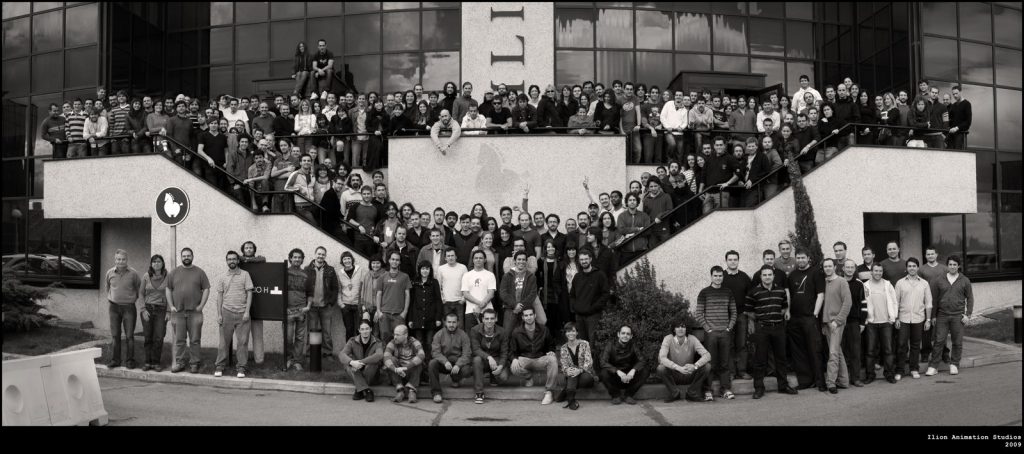
Our day to day basis was putting out whatever fire was raging -and there was always one raging: critical bugs, broken scenes, corrupt render pipeline data, non-collaborating PCs- then meetings with the appropriate departments for kick-offs and follow-ups, then more meetings, and finally coding sessions. We did not enjoy a second to spare in long days of work and frankly, the dream job turned out to be a feverish nightmare. I guess it is what you can expect from a start-up.
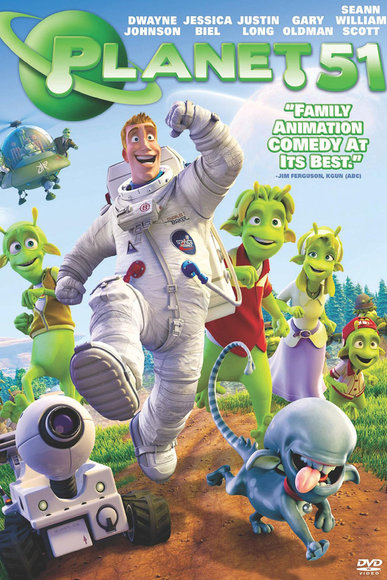
Heres some explanation of Pipeline tools we made, narrated by my supervisors at the time Gonzalo Rueda and Alberto Arenas:
In the end production was finished successfully and the movie holds up technically wise. Props on screen such as characters, plates, guns, toys, Chuck’s -the astronaut- hair, Rover’s wheels, Storm moving trees, Camera movement… those are there placed by yours-trully C++ code.
Ultimately, our efforts were the first step towards the successful acquisition of Ilion Animation Studio by Skydance Media in April 2020.
Deja una respuesta